
EU Food Biofutures
The Europe (EU) Food Biofutures project is a completed European research project that analysed the gaps and outlined recommendations in key European transversal sectors with a focus on biotech and the long-term vision to contribute to a better understanding of where the European food biotech scenery focuses now and the areas that it could improve its offer to students, consumers and entrepreneurs. The consortium researched the landscape in seven key areas including: 1/Education; 2/ Knowledge & Policy; 3/ Facilities; 4/ Consumers; 5/ Entrepreneurship; 6/ Funding; 7/ Ecosystem.
The project has received funding from the European Institute of Innovation and Technology (EIT), a body of the European Union, as part of the Impact Funding Framework initiative.
About the project
With the support of EIT Food, the project partners have gathered together some of the leading EU food biotech actors to build the recommendations and initiatives that will foster entrepreneurship and secure EU leadership in deep food biotech in the years to come. The project partners include 11 partners from across Europe: Shakeup Factory (France), Magfi (Malta), VTT (Finland), Bath University (UK), Genopole (France), Biocatalyst (Latvia), IST-ID (Portugal), GFI (EU), New Harvest (EU), DIL (Germany), Future of Food Institute (Netherlands).
In collaboration with EIT Food, the EU Food Biofutures partners, over the course of 2024, researched the current food biotech scenery in Europe, analysed the gaps, discussed the findings with key stakeholders in peer-to-peer conversations and focus groups discussions and outlined reports that present the research conducted as well as a set of actions and recommendations across all seven pillars – the critical areas needing the most attention in the EU Food Biotech scenery.
WHAT AIMS TO ACHIEVE
The EU Food Biofutures project aimed high by assisting EIT Food with a first of its kind systemic research on the European food biotech system with the goal of helping EIT Food make informed decisions about its ambition to transform into Europe’s leader in deep food biotechnology.
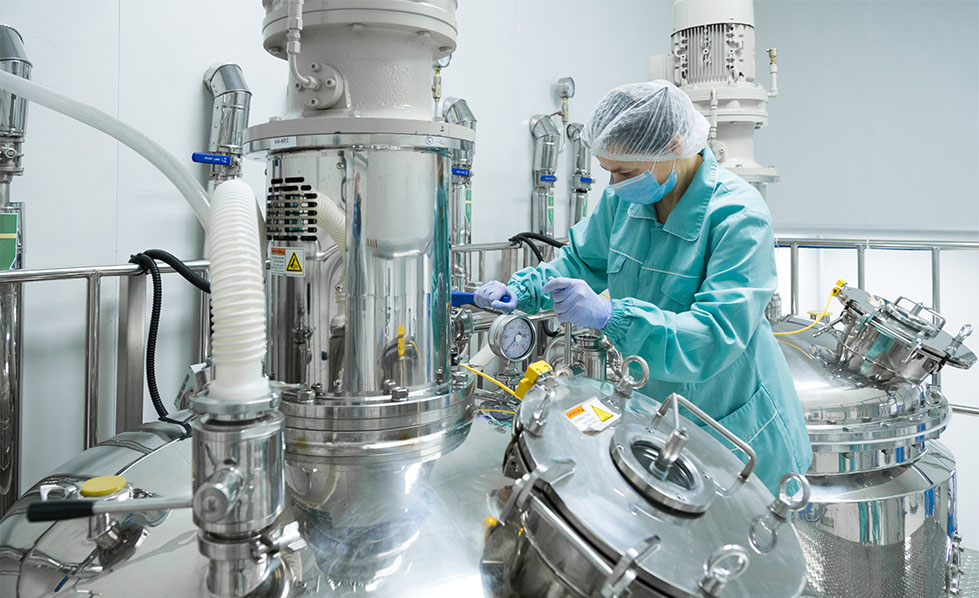
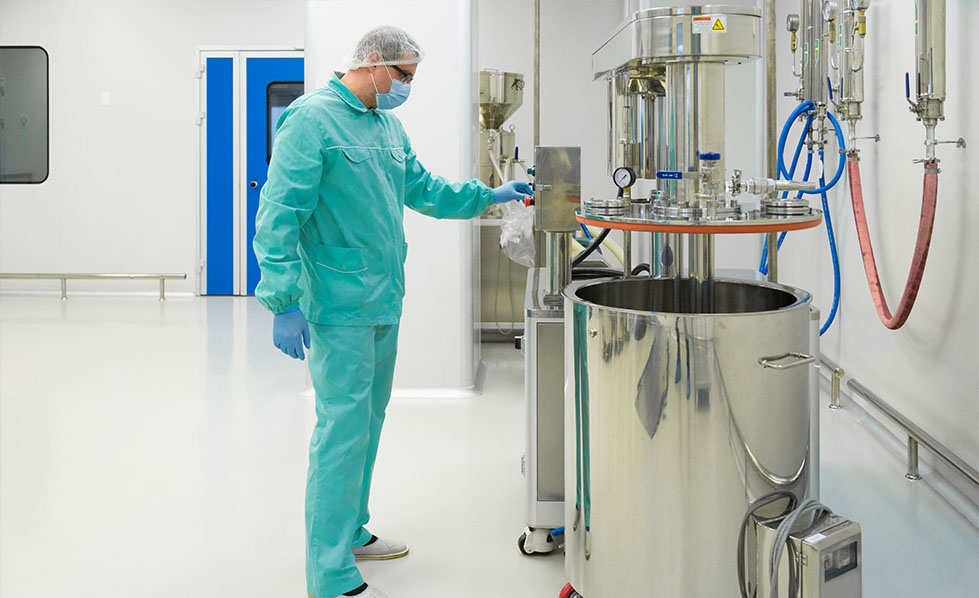
Food biotechnology is a field that could transform up to 40% of food production by 2040 through innovations like mycology, precision fermentation, and cellular agriculture. These technologies offer more sustainable, healthier, and affordable solutions, enhancing the resilience of the EU food system.
However, as the research conducted throughout the project showed too, biotech innovation in Europe faces challenges—complex regulations, high costs, and limited funding. While other regions like the USA and China have invested heavily, Europe lags behind in a number of crucial elements. Startups also struggle with a lack of professionals that could turn their ideas into tangible products.
This project brought together EU food biotech actors to tackle these issues. Through research and collaboration, the partnership has developed strategic recommendations in key areas like education, policy, funding, and infrastructure, driving innovation and helping secure Europe’s leadership in the future of food.

MAGFI’S CONTRIBUTION
During the first phase of the project, Magfi conducted an extensive desk-based and literature research on the Education and Funding European Foodtech pillars of the project. In the second phase of the project and following the gathering an abundance of information on each aforementioned sector, the Magfi team organised individual peer-to-peer interviews with stakeholders from each pillar/sector and led focus group discussions within the project to assess and validate with them the set of recommendations to be included in the respective reports that were presented to the funding body.
The research work on the education pillar resulted in a big report with the title ‘Mapping of existing education offer, gaps analysis and recommendations to improve the food biotech landscape in Europe’. Consecutively, the research work on the funding pillar of the project resulted in the report ‘Mapping of existing public funding and private investments offers and gap analysis within food biotech in Europe’. The Magfi team also contributed to the potential continuation of the project with a ‘Temporary Project Branding and Future Communication Strategy’ as part of the work programme.
For more information on this project, please visit the website: https://www.eitfood.eu/projects/eu-food-biofutures
ACKNOWLEDGMENT AND DISCLAIMER
The EU Food Biofutures Project is an EIT Food project that has received funding from the European Institute of Innovation and Technology (EIT), a body of the European Union, as part of the Impact Funding Framework initiative under KAVA n° 21362-24.
Views expressed here do not necessarily reflect those of EIT Food.